
As a parent in Mumbai, you might be shocked to learn that studies show approximately 8 out of 10 children in India suffer from oral health problems. Recent research confirms that the prevalence of dental caries among Indian children aged 3-18 years is around 52%, with early childhood caries affecting nearly half of all 5-year-old children in both urban and rural areas. This alarming statistic reveals a critical gap in pediatric dental care that demands immediate attention from parents, schools, and healthcare providers across the country.
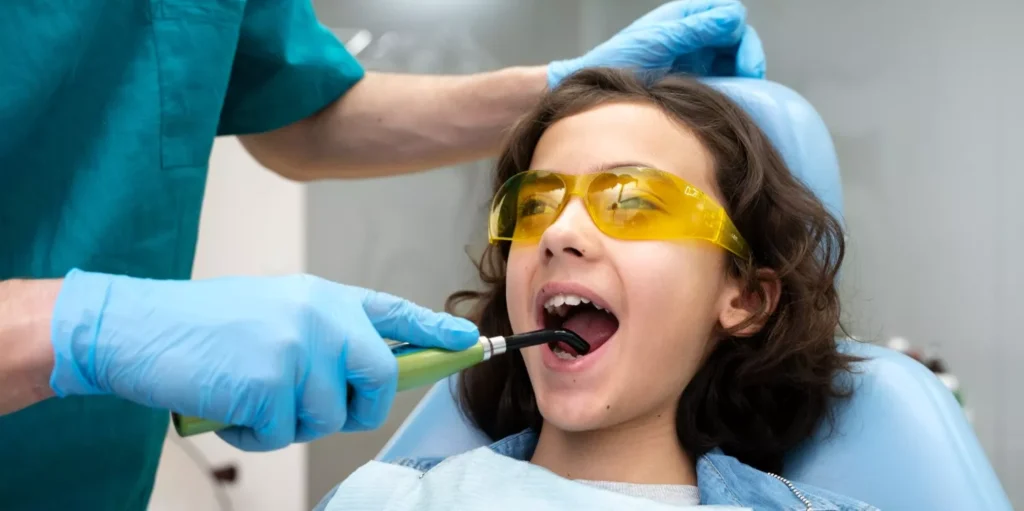
The Current State of Children’s Oral Health in India
The reality of children’s dental health in India paints a concerning picture that extends far beyond simple cavities. Studies conducted in Chennai found that 48.9% of school children aged 10-15 years suffer from dental caries, with higher prevalence among younger children. Early childhood caries affects 46.9% of urban children and 53.6% of rural children by age 5, indicating that tooth decay begins very early in life. Even more troubling is that tooth decay remains the leading cause of hospital admissions for children aged 5-9 years, with thousands undergoing tooth extractions annually.
The problem extends beyond just cavities—children in India also face issues like dental fluorosis (affecting about 9% of 12-year-olds), gum disease, and malocclusion. These conditions not only cause pain and discomfort but also impact children’s nutrition, speech development, self-esteem, and overall quality of life. Despite the severity of these issues, only 17.3% of Indian children visit dental healthcare services regularly, highlighting a massive gap in preventive care.
Why Are Indian Children Facing This Oral Health Crisis?
Poor Oral Hygiene Habits
The foundation of the problem lies in inadequate oral hygiene practices that begin in early childhood. National data reveals that only 44.7% of Indians brush their teeth twice daily, and just 36.7% brush before bedtime—habits that are equally lacking among children. Many parents are unaware of when to start oral care for their babies or how to properly brush their children’s teeth. Without establishing good brushing and flossing routines early, children develop decay-causing bacterial buildup that leads to cavities and gum problems.
Excessive Sugar Consumption
Indian children consume significantly high amounts of sugary foods and beverages throughout the day, creating an ideal environment for tooth decay. Research confirms that daily sweet consumption is significantly associated with a 63.5% higher prevalence of dental caries among school children. Frequent exposure to sugary snacks, candies, chocolates, and sweetened drinks allows harmful bacteria to produce acids that erode tooth enamel. Traditional Indian sweets, while culturally important, contribute to the problem when consumed regularly without proper oral hygiene afterward.
Lack of Nutritious Diet
Beyond sugar, children’s diets often lack essential nutrients that support strong teeth and healthy gums. Studies show that children who don’t consume vegetables and fruits daily have a 76.5% higher prevalence of dental caries. Calcium-rich foods like milk, yogurt, and cheese are crucial for building strong enamel, while crunchy vegetables help clean teeth naturally. Unfortunately, many Indian children’s diets are deficient in these protective foods, leaving their teeth vulnerable to decay.
Limited Access to Dental Care
A significant barrier to children’s oral health is the extremely low utilization of dental care services across India. Financial constraints, insufficient infrastructure, lack of awareness about the importance of preventive care, and inadequate budget allocation for public dental programs all contribute to this problem. Many families only seek dental treatment during emergencies rather than for routine check-ups, by which time significant damage has already occurred. The absence of comprehensive school-based dental screening programs means many children’s oral health issues go undetected until they become severe.
Lack of Awareness Among Parents
Perhaps the most critical factor is the widespread lack of awareness about pediatric dental health among Indian parents and caregivers. Many parents don’t realize that baby teeth are important and require the same care as permanent teeth. Traditional beliefs about oral health sometimes conflict with modern dental recommendations, leading to delayed or inadequate care. Without proper education about cavity prevention, the importance of fluoride, and when to start dental visits, parents inadvertently allow their children’s oral health problems to develop and worsen.
Common Dental Problems in Indian Children
Early Childhood Caries
Early childhood caries (ECC) is the most prevalent oral health concern, affecting approximately half of all young children in India. This severe form of tooth decay is primarily caused by prolonged bottle feeding with sweetened milk or juice, especially at bedtime. ECC can cause significant pain, difficulty eating, speech problems, and can even affect the development of permanent teeth. The condition progresses rapidly in young children and often requires extensive dental treatment including extractions under general anesthesia.
Dental Cavities
Cavities remain the most common chronic disease among school-aged children, with nearly half experiencing untreated tooth decay. These holes in teeth develop when acids produced by bacteria erode the enamel over time. Left untreated, cavities deepen into the tooth’s inner layers, causing pain, infection, and potentially requiring root canal treatment or extraction. The high prevalence of cavities among Indian children reflects both dietary habits and inadequate oral hygiene practices.
Gum Disease
Periodontal problems affect a surprising number of Indian children, with studies showing that 50% of 12-year-olds exhibit some form of gum disease. Poor brushing technique, infrequent flossing, and buildup of plaque and tartar cause gums to become inflamed, swollen, and bleed easily. Early gum disease in children, known as gingivitis, is reversible with proper care, but without intervention can progress to more serious conditions. Regular dental cleanings and improved home care are essential for preventing and treating pediatric gum disease.
Dental Fluorosis
Approximately 9% of 12-year-old children in India suffer from dental fluorosis, a condition caused by excessive fluoride intake during tooth development. This results in discoloration and mottling of tooth enamel, ranging from mild white spots to severe brown staining. While fluoride is beneficial for preventing cavities, the right balance is crucial—too much can cause fluorosis. The condition is more common in areas with naturally high fluoride levels in water and can affect both aesthetics and tooth strength.
Malocclusion
Misaligned teeth and improper bite patterns affect many Indian children, impacting both function and appearance. Malocclusion can result from genetic factors, thumb-sucking habits, premature loss of baby teeth, or improper jaw development. This condition can make chewing difficult, affect speech clarity, increase the risk of tooth decay and gum disease, and impact a child’s self-confidence. Early orthodontic evaluation allows dentists to identify problems and determine the best timing for corrective treatment.
How to Prevent Oral Health Problems in Children
Start Oral Care Early
Prevention begins even before your baby’s first tooth appears. Gently clean your infant’s gums with a soft, damp cloth after feedings to remove bacteria and prevent buildup. Once the first tooth erupts (usually around 6 months), begin brushing twice daily with a tiny smear of fluoride toothpaste and a soft-bristled infant toothbrush. Schedule your child’s first dental visit by their first birthday or within six months of the first tooth appearing, whichever comes first. Establishing these habits early creates a foundation for lifelong oral health.
Teach Proper Brushing and Flossing
Children need guidance and supervision to brush effectively until at least age 7-8. Teach your child to brush for two full minutes, twice daily, covering all tooth surfaces using gentle circular motions. The study found that children who don’t practice night brushing have a 52.8% higher prevalence of cavities, making bedtime brushing absolutely critical. Introduce flossing once teeth touch each other, typically around age 2-3, and supervise until they master the technique. Making oral care fun with colorful toothbrushes, flavored toothpaste, and rewards can help build positive habits.
Control Sugar Intake
Limiting your child’s sugar consumption is one of the most effective ways to prevent tooth decay. Research clearly shows that children who consume sweets daily have significantly higher cavity rates. Reduce sugary snacks, candies, chocolates, and sweetened beverages in your child’s diet, offering them only occasionally rather than daily. Avoid giving bottles with sweetened liquids at bedtime or for prolonged periods throughout the day. When your child does eat sweets, have them do so during meals rather than as frequent snacks, and encourage water rinsing or brushing afterward.
Provide a Tooth-Healthy Diet
Focus on building your child’s diet around foods that strengthen teeth and support oral health. Include plenty of calcium-rich foods like milk, cheese, and yogurt which build strong enamel. Ensure daily consumption of fresh vegetables and fruits, as children who eat these regularly have significantly lower cavity rates. Crunchy vegetables like carrots and apples naturally clean teeth and stimulate saliva production. Adequate protein, phosphorus, and vitamins A, C, and D are all essential for healthy tooth development. Replace sugary drinks with water and milk, encouraging your child to drink water throughout the day.
Use Fluoride Appropriately
Fluoride is one of the most effective tools for preventing cavities, strengthening enamel and making teeth more resistant to acid attacks. Use fluoride toothpaste twice daily—a rice-grain-sized amount for children under 3, and a pea-sized amount for those aged 3-6. Many pediatric dentists recommend fluoride varnish applications every 3-6 months for high-risk children. Dental sealants, which are protective coatings applied to the chewing surfaces of back teeth, provide added protection against decay and should be considered for your child’s permanent molars. However, be mindful of total fluoride exposure to prevent fluorosis, especially in areas with naturally high fluoride water levels.
Schedule Regular Dental Check-Ups
Routine dental visits every six months allow for early detection and management of potential problems before they become serious. Unfortunately, only 17.3% of Indian children currently visit dental care services regularly. These check-ups include professional cleaning to remove plaque and tartar buildup, examination for cavities and other issues, fluoride treatments for added protection, and age-appropriate oral health education. Regular visits also help children become comfortable with the dentist, reducing anxiety about dental care. Early intervention can prevent minor issues from requiring extensive and costly treatments later.
Educate and Involve Your Child
Teaching children about why oral health matters empowers them to take responsibility for their own dental care. Explain how brushing removes harmful bacteria that cause cavities and gum disease. Use age-appropriate books, videos, or apps to make learning about dental health engaging and fun. Allow older children to choose their own toothbrush and toothpaste flavor to increase their investment in the routine. Praise and reward consistent good oral hygiene habits to reinforce positive behavior. When children understand the connection between their actions and their health, they’re more likely to maintain good habits independently as they grow.
The Role of Schools and Communities
Strengthening school-based oral health programs and integrating dental services into primary healthcare could significantly improve outcomes for Indian children. The government has initiated programs like Rashtriya Bal Swasthya Karyakram (RBSK) to address pediatric health concerns, though dedicated national programs focusing specifically on dental care remain limited. Implementing supervised toothbrushing programs in schools, providing fluoride varnish applications, conducting regular dental screenings, and offering oral health education can reach children who lack access to private dental care. Community-based awareness initiatives need to be expanded significantly to achieve the government’s goal of 50% coverage by 2025 and 70% by 2030.
The Economic Impact of Childhood Dental Problems
The economic burden of oral diseases in India amounts to approximately ₹613.2 billion (USD 7.3 billion) annually, which is disproportionately high compared to the relatively low investment required for preventive care. For families, childhood dental problems mean direct costs of treatment, indirect costs from missed school and work days, and potential long-term expenses if problems persist into adulthood. Investing in prevention through regular check-ups, fluoride treatments, and education is far more cost-effective than treating advanced dental disease. The government and healthcare system must shift from reactive treatments to proactive preventive measures to reduce this massive economic and health burden.
Take Action Today for Your Child’s Dental Health
The alarming prevalence of oral health problems among Indian children doesn’t have to be your child’s story. By starting oral care early, teaching proper brushing habits, controlling sugar intake, providing nutritious foods, using fluoride appropriately, and scheduling regular dental check-ups, you can protect your child from becoming part of the 8-out-of-10 statistic. Prevention is always easier, less painful, and more affordable than treatment. Don’t wait until your child complains of tooth pain—by then, significant damage may have already occurred. Schedule an appointment with your pediatric dentist today and commit to making oral health a priority in your family’s daily routine. Your child’s healthy smile depends on the actions you take right now.