
Root canal treatment has evolved dramatically in recent years, and if you’re anxious about the procedure, there’s good news: modern root canal therapy in Mumbai is virtually painless and can often be completed in a single sitting. This comprehensive guide will walk you through everything you need to know about painless root canal treatment, from the initial consultation to complete recovery.
What Is Root Canal Treatment?
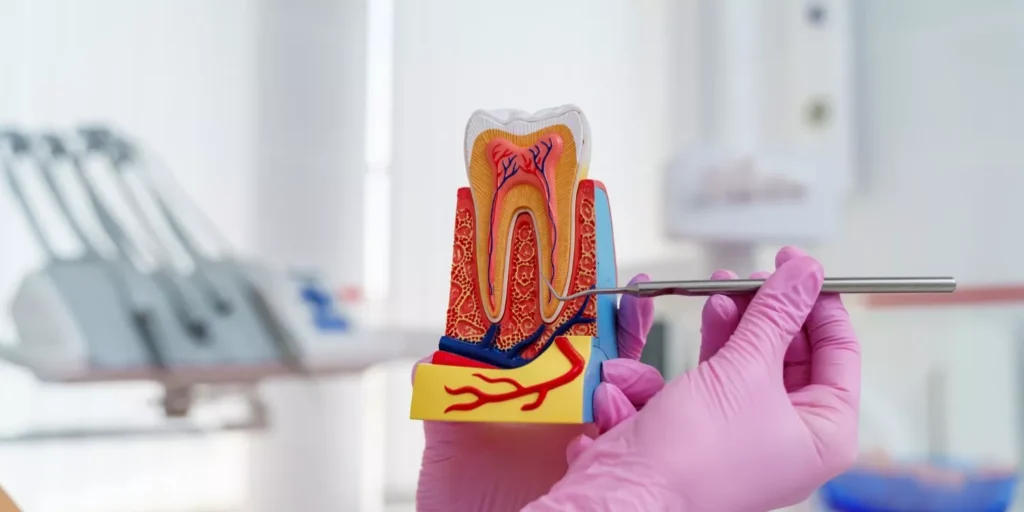
Root canal treatment is a dental procedure designed to remove infection from inside your tooth and save your natural tooth from extraction. The aim is to relieve tooth-associated pain, preserve the tooth structure, and restore its function so you can continue using it normally. When the dental pulp (the soft tissue inside your tooth containing nerves and blood vessels) becomes infected or damaged due to deep decay, cracks, or trauma, a root canal becomes necessary to prevent further complications.
Why “Painless” Root Canal Is Now the Standard
The biggest myth surrounding root canals is that they’re extremely painful, but this is no longer true with modern dentistry. Advanced local anesthesia techniques ensure you won’t feel any pain during the procedure, and many patients report that it feels similar to getting a simple dental filling. Mumbai dental clinics now use state-of-the-art technology including rotary instruments, digital imaging, and laser sterilization to make the experience comfortable and anxiety-free. For patients with severe dental anxiety, options like nitrous oxide or conscious sedation are available to help you relax completely during treatment.
The Root Canal Procedure: Step-by-Step
Initial Consultation and Diagnosis
Your painless root canal journey begins with a thorough examination and digital X-ray to assess the extent of infection or damage inside your tooth. The dentist will evaluate your tooth’s condition and create a personalized treatment plan based on the complexity of your case. This diagnostic phase is crucial for determining whether you need a single-sitting or multi-sitting procedure.
Numbing and Anesthesia
Before starting the procedure, your dentist will administer local anesthesia to completely numb the affected tooth and surrounding area. You may feel a slight pinch when the anesthesia is given, but it’s quick and manageable. Within minutes, the area becomes completely numb, ensuring you won’t experience any pain throughout the treatment.
Cleaning and Disinfection
Once the area is numb, the dentist creates a small opening on the biting surface of your tooth to access the infected pulp. Using advanced motorized rotary files, the infected or dead tissue is carefully removed from inside the tooth. The root canals are then thoroughly cleaned, shaped, and disinfected using specialized instruments and sometimes laser or ultrasonic technology to eliminate all bacteria. This step is critical for ensuring the long-term success of your treatment.
Filling and Sealing
After complete disinfection, the cleaned canal space is filled with a biocompatible material called gutta-percha along with a dental sealer. This filling prevents any future bacterial invasion and seals the tooth structure. The opening is then sealed with a temporary or permanent filling material depending on whether you need additional visits.
Crown Placement
When there is significant tooth structure loss, your dentist will recommend placing a dental crown to protect and strengthen the treated tooth. Some advanced clinics in Mumbai offer same-day crown options, allowing you to complete the entire restoration in one visit. The crown is typically placed in a follow-up appointment once the tooth has fully healed.
How Long Does the Treatment Take?
A single-sitting root canal typically takes between 45 to 90 minutes, depending on the tooth location and complexity of the infection. Simple cases involving front teeth may be completed faster, while molars with multiple canals might require more time. Most patients in Mumbai can have their root canal completed in 1-2 sittings, though complex cases may require 3 or more visits. Many working professionals appreciate that they can schedule a “lunchtime root canal” and return to work the same day without disruption.
Root Canal Treatment Cost in Mumbai
The cost of root canal treatment in Mumbai typically ranges from ₹7,500 to ₹15,000, depending on whether it’s a single-sitting or multi-sitting procedure and which tooth is being treated. Front teeth are generally less expensive than molars due to their simpler canal structure. Additional costs may include crown placement (₹5,000-₹15,000) if needed to restore the tooth’s strength and appearance. Most Mumbai dental clinics offer transparent pricing and flexible payment options to make the treatment accessible.
What to Expect During Recovery
Immediate Post-Treatment (First 24-48 Hours)
Right after your root canal procedure, you may experience mild soreness or tenderness in the treated tooth, especially while chewing. This sensitivity is completely normal and typically subsides within 1-2 days. Your dentist will prescribe antibiotics and painkillers to aid healing and manage any discomfort during the initial recovery period. Most patients report that any post-treatment discomfort is significantly less than the original toothache that led them to seek treatment.
First Week Recovery
During the first 3-7 days, it’s important to avoid chewing hard foods on the treated tooth to prevent any damage to the temporary filling or the tooth structure. You should continue taking prescribed medications as directed and maintain excellent oral hygiene by gently brushing and flossing around the treated area. Any lingering sensitivity should gradually decrease each day, and most patients can resume their normal activities immediately after the procedure.
Long-Term Recovery and Follow-Up
Complete healing of the tissues around your tooth root typically occurs within a few weeks. You’ll need to return for a follow-up visit to have your permanent crown placed if one is needed, which usually happens 1-2 weeks after the initial procedure. Once crowned, your treated tooth can function like a natural tooth for many years with proper care. Regular dental check-ups and good oral hygiene are essential for maintaining the longevity of your root canal treatment.
Tips for a Smooth Recovery
Avoid eating until the numbness wears off completely to prevent accidentally biting your cheek or tongue. Stick to soft foods for the first few days and gradually introduce harder foods as comfort allows. Take all prescribed medications on schedule, even if you’re not experiencing significant pain, as they help prevent infection and inflammation. Apply a cold compress to your cheek if you experience any swelling, though this is uncommon with modern techniques. Contact your dentist immediately if you experience severe pain, swelling that worsens after 2-3 days, or if your temporary filling comes loose.
Why Choose Root Canal Over Extraction?
Saving your natural tooth through root canal treatment is almost always preferable to extraction. A root canal allows you to maintain your natural tooth structure, which preserves your jawbone density and prevents neighboring teeth from shifting. Unlike dental implants, which can be expensive (often costing 3-5 times more) and require months of healing, a root canal is cost-effective and completed quickly. Your natural tooth with a crown looks, feels, and functions just like your other teeth, maintaining your smile aesthetics without any visible gaps.
Real Patient Experience
Mrs. Sharma, a 42-year-old working professional from Mumbai, came to her dentist with severe molar pain and was advised to undergo root canal treatment. Her procedure was completed in 2 comfortable sittings without any discomfort, and she was able to resume work the very next day. After getting her crown fixed the following week, she experienced complete relief from her original pain and her tooth has functioned perfectly ever since.
Frequently Asked Questions
Will I feel pain during the procedure? No, the procedure is completely painless thanks to effective local anesthesia. You’ll only feel slight pressure or movement, but no pain.
Can I go to work after my root canal? Yes, most patients return to work immediately after their appointment or the next day. The recovery is minimal and shouldn’t interfere with your daily routine.
Is single-sitting root canal safe? Absolutely, single-sitting root canal is a proven, safe procedure that offers the same success rate as multi-visit treatments while saving you time.
How long will my root canal last? With proper care and a good quality crown, your root canal can last a lifetime. Regular dental check-ups help ensure its longevity.
Modern root canal treatment in Mumbai has truly revolutionized dental care, offering busy professionals and anxious patients a painless, efficient solution to save their natural teeth. With advanced technology, experienced dentists, and patient-centered approaches, there’s no reason to delay treatment if you’re experiencing tooth pain. Book your consultation today at one health dental clinic and experience the comfort of modern, painless dentistry.